
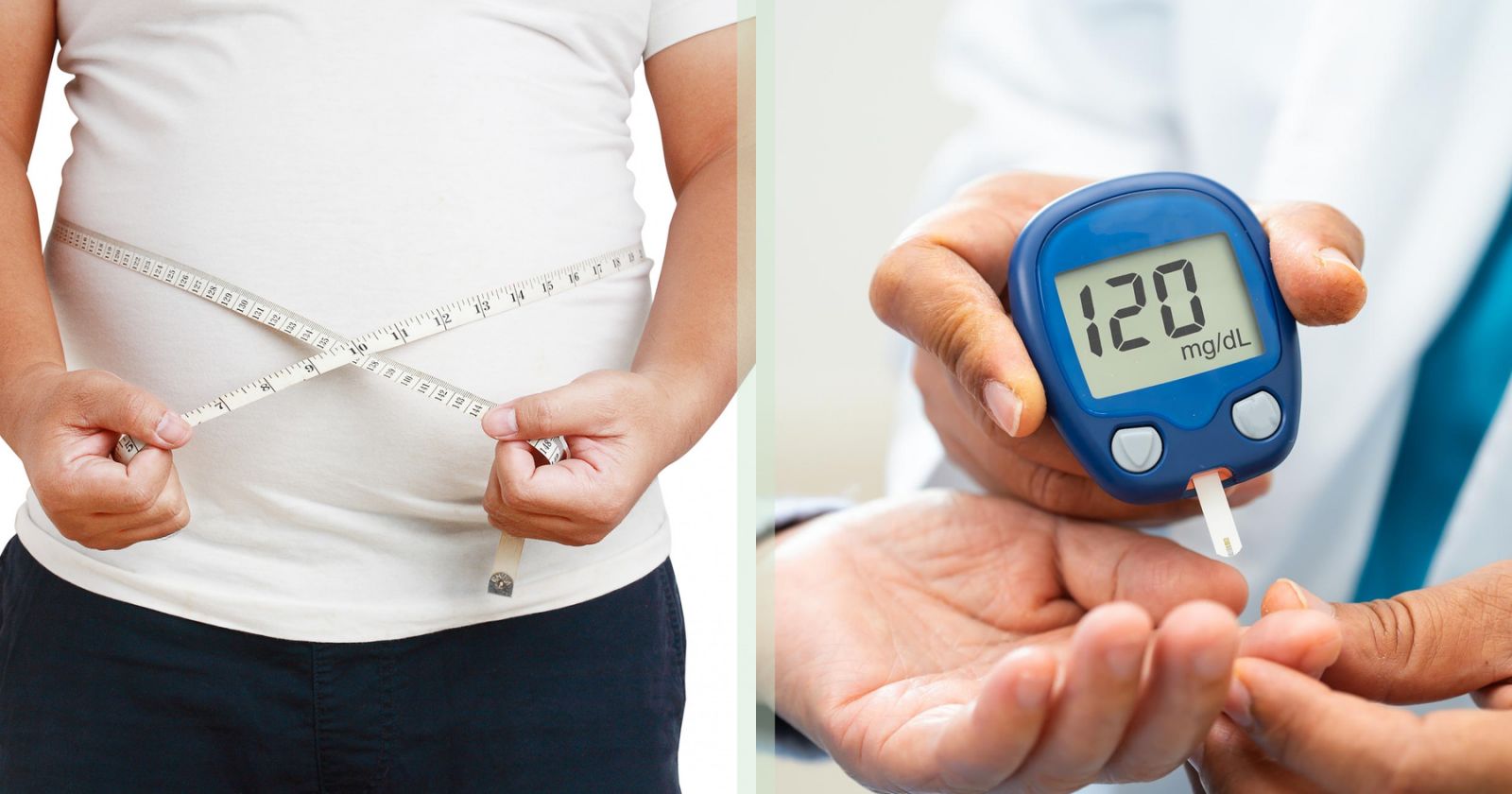
အများအားဖြင့် ဆီးချိုရောဂါဆိုတာကို သက်ကြီးပိုင်းအရွယ်တွေမှာပဲ ဖြစ်တတ်တဲ့ ကျန်းမာရေးအခြေအနေတစ်ခုအဖြစ် ထင်လေ့ရှိကြပါတယ်။ ဒါပေမဲ့ မြန်မာနိုင်ငံမှာ ပြောင်းလဲလာတဲ့ လူနေမှုဘဝပုံစံတွေကြောင့် လူငယ်တွေမှာလည်း အမျိုးအစား (၂) ဆီးချိုရောဂါ ဖြစ်ပွားနိုင်ခြေဟာ ပိုပြီး မြင့်တက်လာပါတယ်။ ဒီကနေ့ခေတ်လို အရှိန်အဟုန်နဲ့ တိုးတက်ပြောင်းလဲနေတဲ့ လူနေမှုပုံစံတွေက ကြိုးစားမှုနဲ့ အခွင့်အလမ်းကောင်းတွေအတွက် အလုပ်ဖြစ်ပေမဲ့ တစ်ဖက်မှာတော့ ကျန်းမာရေးအပေါ် သက်ရောက်မှုတွေ ရှိလာနေပါတယ်။ ကြာရှည်တဲ့ အလုပ်ချိန်တွေ၊ တစ်ခုပြီး တစ်ခုဆက်နေတဲ့ အလုပ်အစည်းအဝေးတွေကြား အလျင်စလိုနဲ့ ကြုံသလို စားလိုက်ရတာတွေ၊ ကိုယ်လက်လှုပ်ရှားမှုလုပ်ဖို့ အချိန်မရှိတာတွေနဲ့ အာဟာရပြည့်စုံအောင် စားသောက်ဖို့ထက် လွယ်လင့်တကူရွေးချယ်လိုက်မိတဲ့ နေထိုင်စားသောက်မှုပုံစံတွေက နေ့စဉ်ဘဝမှာ အမြဲကပ်ပါလာပါတယ်။ တစ်ချိန်တည်းမှာပဲ ကာဘိုဟိုက်ဒရိတ် ကြွယ်ဝတဲ့ အစားအစာတွေ၊ မြန်မာ့လက်ဖက်ရည်လိုမျိုး အချိုများတဲ့ အစားအသောက်တွေ၊ ဆီကြော်၊ ဆီပြန်ဟင်းစတဲ့ အစားအစာတွေက နေ့စဉ် စားသောက်မှုပုံစံထဲမှာ ပါဝင်နေဆဲ ဖြစ်ပါတယ်။ ဒီလိုမျိုး နေ့စဉ်ပြုမူနေထိုင်စားသောက်တဲ့ပုံစံတွေက ခန္ဓာကိုယ်ရဲ့ သွေးတွင်းသကြားဓာတ် ထိန်းညှိမှုကို လျော့ကျစေတဲ့ အင်ဆူလင်ခုခံအားကို တဖြည်းဖြည်း အားကောင်းလာစေပြီး နောက်ဆုံးမှာ အမျိုးအစား (၂) ဆီးချိုရောဂါ ဖြစ်ပွားးနိုင်ခြေက ပိုပြီး မြင့်တက်လာတာဖြစ်ပါတယ်။
အာရှနိုင်ငံအများစုမှာ မြို့ပြလူနေမှု ဖွံ့ဖြိုးလာတာနဲ့အမျှ ကိုယ်လက်လှုပ်ရှားမှုနည်းတဲ့ လူနေမှုပုံစံတွေ၊ ပြောင်းလဲလာတဲ့ စားသောက်မှုအလေ့အကျင့်တွေက ကျန်းမာရေးပိုင်းမှာ စိန်ခါ်မှုတွေ ဖြစ်လာစေပြီး မြန်မာနိုင်ငံမှာလည်း တူညီတဲ့ စိန်ခေါ်မှုတွေ ရင်ဆိုင်လာရပါတယ်။ ကမ္ဘာ့ကျန်းမာရေးအဖွဲ့ (WHO) ရဲ့ STEPS Survey for Myanmar အစီရင်ခံစာအရ ဆီးချိုရောဂါဟာ စတင်ဖြစ်ပွားချိန်မှာ သိသာထင်ရှားတဲ့ လက္ခဏာတွေ မပြ်တတ်တာကြောင့် ဆီးချိုရောဂါ ခံစားနေရသူတော်တော်များများဟာ ကိုယ့်ကိုယ်ကိုယ်ရောဂါရှိနေမှန်း မသိကြပါဘူး။ အများစုက နောက်ဆက်တွဲ ရောဂါတွေကတစ်ဆင့် ကိုယ့်ရဲ့ ကျန်းမာရေး၊ လူမှုဘဝအခြေအနေတွေ ထိခိုက်လာပြီဆိုမှ ဆီးချိုရောဂါရှိနေမှန်း သတိပြုမိတတ်ကြပါတယ်။
အမျိုးအစား (၂) ဆီးချိုရောဂါဟာ ရုတ်တရက် ဖြစ်ပွားတတ်တဲ့ ရောဂါတွေလိုမျိုးမဟုတ်ဘဲ မျိုးရိုးဗီဇနဲ့ ကိုယ့်ရဲ့ နေထိုင်စားသောက်မှုပုံစံတွေ ပေါင်းစပ်ပြီး အချိန်တစ်ခုကြာမှ ဖြစ်ပွားတတ်တာဖြစ်ပါတယ်။ ဒါကြောင့် ဆီးချိုရောဂါကို အချိန်မီ သိရှိနိုင်ဖို့အတွက် ပုံမှန်ကျန်းမာရေး စစ်ဆေးမှုတွေ ပြုလုပ်ဖို့ အရမ်းအရေးကြီးပါတယ်။ ပုံမှန် ကျန်းမာရေးစစ်ဆေးမှုတွေကတစ်ဆင့် လူတစ်ယောက်ဟာ ကိုယ့်ရဲ့ သွေးတွင်းသကြားဓာတ်အခြေအနေကို သိရှိနားလည်ပြီး ဖြစ်ပေါ်လာနိုင်တဲ့ ကျန်းမာရေးအန္တရာယ်တွေကို အချိန်မီ သိရှိလာနိုင်မှာပဲ ဖြစ်ပါတယ်။ ဒီကနေတစ်ဆင့် ဆီးချိုရောဂါရဲ့ ပြင်းထန် နောက်ဆက်တွဲကျန်းမာရေး ပြဿနာတွေ မဖြစ်လာအောင် ကြိုတင်ကာကွယ်ပြီး ထိထိရောက်ရောက် ထိန်းချုပ်နိုင်ဖို့ ကြိုတင်ပြင်ဆင်မှုတွေ ပြုလုပ်သွားနိုင်မှာဖြစ်ပါတယ်။
အာဟာရညီညွတ်မျှတတဲ့ အစားအစာတွေ ရွေးချယ်စားသုံးတာ၊ အချိုရည်တွေ လျှော့သောက်တာ၊ တစ်နေ့ကို အနည်းဆုံး မိနစ် ၃၀ ခန့် ကိုယ်လက်လှုပ်ရှားမှု ပြုလုပ်တာ၊ ကိုယ်အလေးချိန် ထိန်းသိမ်းတာနဲ့ ပုံမှန် ကျန်းမာရေးစစ်ဆေးမှု ခံယူတာတွေက အမျိုးအစား (၂) ဆီးချိုရောဂါ ဖြစ်ပွားနိုင်ခြေကို သိသိသာသာ လျှော့ချပေးနိုင်သလို ဖြစ်ပွားမှုကိုလည်း ကြိုတင်တားဆီးပေးနိုင်ပါတယ်။ အရွယ်ရောက်ပြီးသား လူငယ်တွေအတွက် အစောပိုင်းကတည်းက ကျန်းမာရေးနှင့်ညီညွတ်တဲ့ အလေ့အကျင့်ကောင်းတွေ ပျိုးထောင်ခြင်းက ရောဂါဖြစ်ပွားနိုင်ခြေကို လျော့ကျစေပြီး ကြိုတင်ကာကွယ်တတ်တဲ့ ကျန်းမာရေးအသိ ပိုပြီး အားကောင်းလာစေပါတယ်။ အမျိုးအစား (၂) ဆီးချိုရောဂါ ဖြစ်ပွားမှုအများစုက လူနေမှုဘဝပုံစံတွေနဲ့ ဆက်စပ်နေပေမဲ့ ဆီးချိုရောဂါဆိုတာ လူတစ်ဦးချင်းစီအပေါ် သက်ရောက်ပုံမတူညီတဲ့ ရှုပ်ထွေးတဲ့ ရောဂါတစ်မျိုးဖြစ်ပါတယ်။ တစ်ဖက်မှာလည်း ကိုယ်ခံအားစနစ်ကြောင့်ဖြစ်တဲ့ အမျိုးအစား (၁) ဆီးချိုရောဂါ ခံစားနေရသူတွေကိုလည်း နားလည်သဘောပေါက်ပြီး ပံ့ပိုးကူညီပေးတတ်တဲ့ ပတ်ဝန်းကျင်ကောင်းတစ်ခုရှိဖို့က အလွန်အရေးကြီးပါတယ်။
ဆီးချိုရောဂါနဲ့အတူ ယှဉ်တွဲနေထိုင်ရတဲ့ တစ်ယောက်ချင်းစီတိုင်းမှာ လိုအပ်ချက်တွေ မတူညီနိုင်တာကို သိရှိနားလည်ထားတဲ့ Zuellig Pharma အနေနဲ့ ဆီးချိုရောဂါအကြောင်း ပိုမိုသိရှိနားလည်စေနိုင်ဖို့၊ လိုအပ်တဲ့ ဆေးဝါး၊ ကုသမှုနဲ့ ကျန်းမာရေးစောင့်ရှောက်မှုတွေကို ပိုမိုလက်လှမ်းမီနိုင်စေဖို့အတွက်နဲ့ ရည်ရွယ်ပြီး ကူညီပံ့ပိုးပေးလျက်ရှိပါတယ်။ Action4Diabetes (A4D) အဖွဲ့အစည်းနဲ့အတူ ပူးပေါင်းပြီး ဖော်ဆောင်နေတဲ့ Aspire Scholarship Program ကနေလည်း မြန်မာနိုင်ငံအတွင်း အမျိုးအစား (၁) ဆီးချိုရောဂါ ခံစားနေရတဲ့ လူငယ်တွေအတွက် ကျန်းမာရေးကို ကောင်းမွန်စွာ ထိန်းသိမ်းရင်း အနာဂတ်အိပ်မက် ရည်မှန်းချက်တွေကို အကောင်အထည်ဖော်နိုင်ဖို့အတွက် ကူညီပေးလျက်ရှိပါတယ်။ ဒါ့အပြင် Novo Nordisk နဲ့ ပူးပေါင်းဆောင်ရွက်မှုကနေတစ်ဆင့် ဆီးချိုရောဂါဆိုင်ရာ အသိပညာဗဟုသုတတွေ ကျယ်ပြန့်လာစေဖို့နဲ့ အရည်အသွေးပြည့်မီတဲ့ ဆီးချိုရောဂါ စောင့်ရှောက်မှုတွေကို ပိုမိုလက်လှမ်းမီ ရရှိနိုင်စေရေး အတွက် ပံ့ပိုးကူညီပေးလျက်ရှိပါတယ်။
ပိုမိုကျန်းမာတဲ့ အနာဂတ်ကို တည်ဆောက်နိုင်ဖို့ဆိုတာ လူတစ်ဦးတစ်ယောက်ချင်းစီအနေနဲ့ နေ့စဉ် လူနေမှုဘဝ အလေ့အကျင့်ကောင်းတွေ လုပ်ဆောင်တတ်ဖို့ လိုအပ်သလို၊ ကျန်းမာရေးစောင့်ရှောက်မှုအဖွဲ့အစည်းတွေအနေနဲ့လည်း ရောဂါကြိုတင် ကာကွယ်ရေး၊ ကျန်းမာရေး အသိပညာပေးရေးနဲ့ အရည်အသွေးပြည့်မီတဲ့ ကျန်းမာရေးစောင့်ရှောက်မှုတွေ ပိုမိုလက်လှမ်းမီရရှိအောင် အတူတကွ ပူးပေါင်းလုပ်ဆောင်ကြဖို့ လိုအပ်ပါတယ်။ ဒီနေ့ကစတင်ပြီး လိုအပ်တဲ့ ကြိုတင်ပြင်ဆင်မှုတွေ ပြုလုပ်ထားမှသာ မြန်မာနိုင်ငံရဲ့ လူငယ်မျိုးဆက်သစ်တွေအနေနဲ့ သူတို့ရဲ့ ကျန်းမာရေးအန္တရာယ်တွေကို ပိုမိုနားလည်လာပြီး ပိုမိုကျန်းမာတဲ့ မနက်ဖြန်ကို ဖော်ဆောင်နိုင်မှာဖြစ်ပါတယ်။
နေထိုင်စားသောက်မှုပုံစံတွေကြောင့် ဖြစ်လာနိုင်တဲ့ အမျိုးအစား (၂) ဆီးချိုရောဂါ ဖြစ်ပွားနိုင်ခြေကို ပိုပြီး နားလည်သဘောပေါက်လိုသူတွေအတွက် International Diabetes Federation (IDF) ကနေ လွယ်ကူရိုးရှင်းတဲ့ အွန်လိုင်း ရောဂါရှာဖွေစစ်ဆေးမှု ပုံစံတစ်ခု ပြုလုပ်ပေးထားပါတယ်။ ဒီစစ်ဆေးမှုဟာ ဆရာဝန်တွေရဲ့ ဆေးဘက်ဆိုင်ရာ အကြံပြုချက်နဲ့ ကောက်ချက်ချမှုတွေကို အပြည့်အဝ အစားမထိုးနိုင်ပေမဲ့ ကိုယ့်ရဲ့ ကျန်းမာရေးအခြေအနေကို စတင်ခန့်မှန်းနိုင်ဖို့၊ လိုအပ်လာရင် တတ်ကျွမ်းနားလည်တဲ့ ကျန်းမာရေးပညာရှင်တွေနဲ့ ဆွေးနွေးတိုင်ပင်နိုင်ဖို့၊ ကျန်းမာရေးအတွက် မှန်ကန်တဲ့ ဆုံးဖြတ်ချက်တွေ ချမှတ်နိုင်ဖို့ အသုံးဝင်တဲ့ ပထမခြေလှမ်းတစ်ခုဖြစ်လာစေမှာပါ။
ဆီးချိုရောဂါဖြစ်ပွားနိုင်ခြေကို စစ်ဆေးရန် – https://worlddiabetesday.org/t2d-risk-test/?utm
ပြီး
ကိုးကားချက်
International Diabetes Federation (IDF) Diabetes Atlas (10th Edition) – https://diabetesatlas.org
World Health Organization – Diabetes Fact Sheet – https://www.who.int/news-room/fact-sheets/detail/diabetes
WHO STEPS Myanmar (risk factor analysis) – https://pmc.ncbi.nlm.nih.gov/articles/PMC6407671/
IDF Diabetes Atlas – https://diabetesatlas.org
Modern Lifestyles Are Increasing Diabetes Risk Among Young People in Myanmar
Diabetes is often viewed as a health concern that affects older generations. However, as lifestyles continue to change across Myanmar, more young adults are becoming increasingly exposed to risk factors associated with type 2 diabetes. For many young people in Myanmar, today’s fast-paced lifestyle has become a measure of productivity, but it may also be quietly reshaping their health. Long hours at work, meals grabbed between meetings, little time for exercise, and a preference for convenience over nutrition have become part of everyday life. At the same time, carbohydrate-rich meals, sweetened beverages such as Burmese tea, and fried or oily foods remain common dietary choices. These everyday behaviors can gradually increase the risk of insulin resistance – a condition where the body becomes less effective at regulating blood sugar levels and which can eventually lead to type 2 diabetes.
Across Asia, urbanization, sedentary lifestyles and changing dietary habits are reshaping the health landscape, and Myanmar is experiencing this shift as well. According to the WHO STEPS Survey for Myanmar, a significant number of people living with diabetes remain undiagnosed, as the condition often progresses gradually without noticeable symptoms in its early stages. Many individuals may only discover they have diabetes when complications begin to impact their health and quality of life.
Unlike illnesses that develop suddenly, type 2 diabetes typically progresses over time, often influenced by a combination of genetic factors and lifestyle choices. This makes early awareness and regular health monitoring essential. Routine health screenings can help individuals better understand their blood sugar levels, identify potential risks earlier, and take proactive steps to prevent or effectively manage diabetes before more serious complications arise.
Choosing balanced meals, reducing sugary drinks, staying physically active for at least 30 minutes most days, maintaining a healthy weight and attending regular health screenings can significantly reduce the risk of developing type 2 diabetes or delay its onset. For younger adults, building healthy habits early can help reduce risks and encourage a stronger culture of preventive healthcare. While many cases of Type 2 diabetes can be linked to lifestyle-related risk factors, diabetes is a complex condition that affects people in different ways. Beyond prevention and early detection, it is also important to recognize and support those living with other forms of diabetes, including Type 1 diabetes, an autoimmune condition that is not caused by lifestyle choices and requires lifelong management.
Recognizing the diverse needs of the diabetes community, Zuellig Pharma is committed to supporting people living with diabetes through initiatives that improve awareness, access, and care. Through its partnership with Action4Diabetes (A4D), Zuellig Pharma supports the Aspire Scholarship Program, which enables young people in Myanmar living with Type 1 diabetes to continue their education while managing their condition and pursuing their ambitions without diabetes becoming a barrier to their future. In addition, through its collaboration with Novo Nordisk, Zuellig Pharma continues to support efforts to strengthen diabetes awareness and improve access to quality diabetes care.
Building a healthier future requires shared responsibility from individuals making informed choices about their daily habits to healthcare organizations working together to strengthen prevention, education, and access to quality care. By taking proactive steps today, Myanmar’s younger generation can better understand their health risks and help shape a healthier tomorrow.
For those looking to better understand their personal risk of Type 2 diabetes, the International Diabetes Federation (IDF) provides a simple online risk assessment tool. While it is not a replacement for professional medical advice, it can serve as a useful first step in starting conversations with healthcare professionals and making informed decisions about health.
Test Link: https://worlddiabetesday.org/t2d-risk-test/?utm
######
Sources:
International Diabetes Federation (IDF) Diabetes Atlas (10th Edition) – https://diabetesatlas.org
World Health Organization – Diabetes Fact Sheet – https://www.who.int/news-room/fact-sheets/detail/diabetes
WHO STEPS Myanmar (risk factor analysis) – https://pmc.ncbi.nlm.nih.gov/articles/PMC6407671/
IDF Diabetes Atlas – https://diabetesatlas.org